Advantages of Crafting Fermented Foods at Home
Producing fermented dishes at home presents multiple advantages worth considering. The wellness advantages are substantial, offering a boost to digestion and immunity. Furthermore, it offers a sustainable and cost-effective way to use common ingredients. Beyond practical benefits, fermentation encourages creativity in flavoring and process. As home cooks explore this food preparation technique, they may find unanticipated connections with others. What lies beyond these initial positive outcomes?
Wellness Benefits of Probiotic-Rich Foods
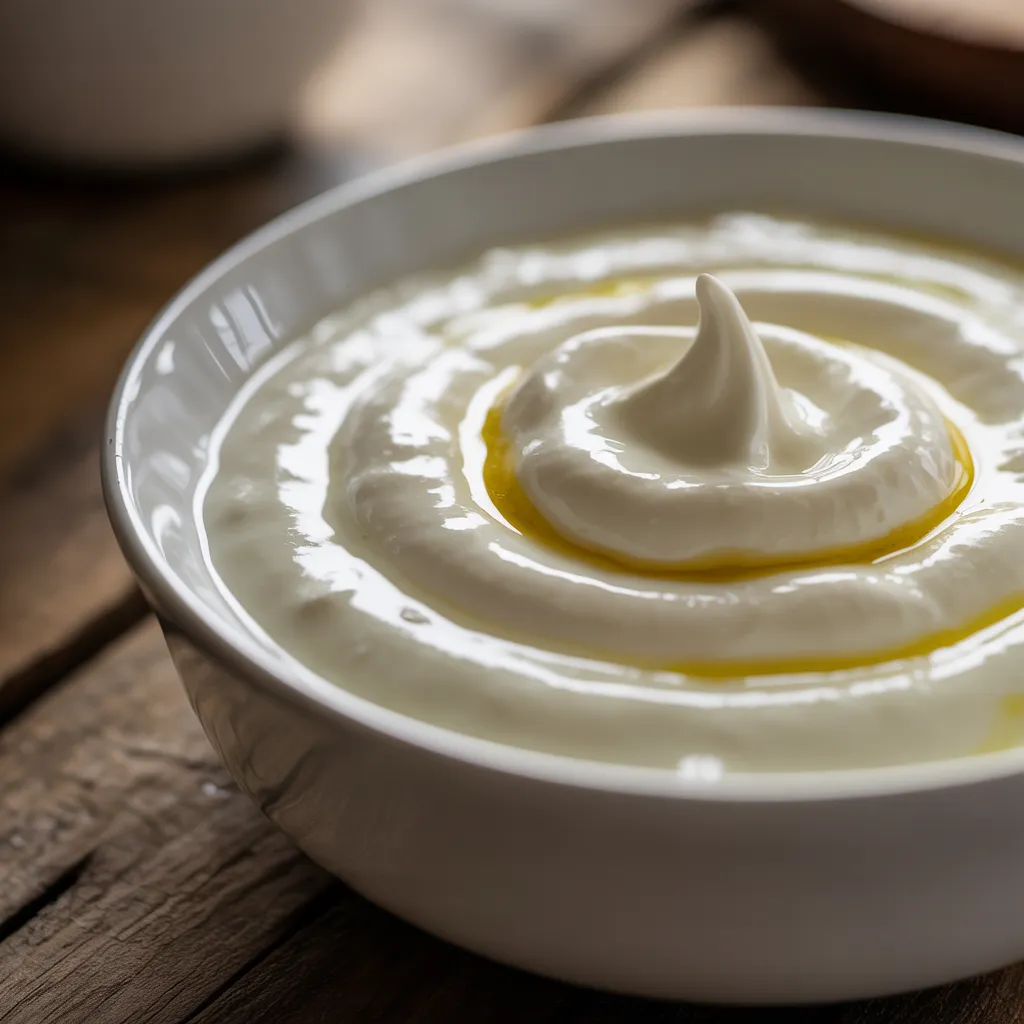
Though numerous people may not be aware, fermented foods offer numerous health benefits that can improve total wellness. These foods, which include yogurt, kimchi, and sauerkraut, are loaded with probiotics, helpful bacteria that enhance digestive health. By eating fermented foods, individuals may notice enhanced gut flora, contributing to superior digestion and absorption of nutrients. Furthermore, these foods can boost the immune system, assisting the body prevent illnesses. The fermentation process also elevates the bioavailability of certain nutrients, making essential nutrients more accessible. Moreover, fermented foods have been linked to reduced inflammation and may even contribute to mental health improvements, as emerging research suggests a connection between gut health and mood regulation. In summary, adding fermented foods into your diet can foster a healthier lifestyle.
Cost-Efficient and Sustainable
Fermentation-based foods offer a strikingly economical and environmentally responsible alternative for households seeking to enhance their diets. By using inexpensive ingredients like vegetables, grains, and dairy products, families can prepare wholesome meals at a fraction of the cost of commercially available options. Fermenting at home minimizes food waste, as it permits individuals to use leftover produce that might otherwise spoil. This process also decreases the reliance on packaged goods, leading to a decrease in plastic waste and carbon footprints. Additionally, making fermented foods at home allows individuals to control their food sources and promotes self-sufficiency. In summary, the practice of fermenting at home corresponds to both economic and environmental sustainability, enabling families to enjoy health benefits without burdening their budgets or harming the planet.
Personalization and Taste Discovery
As people embark on the journey of home fermentation, they uncover a world of customization and flavor exploration that store-bought options simply cannot offer. Each batch of fermented food becomes a unique expression of personal taste, enabling people to experiment with various ingredients, spices, and fermentation times. This creative freedom can result in unexpected flavor combinations, enriching the culinary experience. For instance, a simple vegetable kimchi can be modified with different vegetables, herbs, or heat levels to suit individual preferences. Additionally, the ability to control the fermentation process allows people to achieve desired textures and tanginess, resulting in truly personalized creations. Ultimately, home fermentation fosters a deeper connection to food, encouraging exploration and innovation in the kitchen.
Simple Fermenting Practices for Novices
Exploring the world of fermentation can be incredibly satisfying, especially for those beginning the practice. additional resource Simple techniques, such as lacto-fermentation, offer an accessible entry point. Beginners can commence with vegetables like cabbage or carrots, using a saltwater brine to create an environment for beneficial bacteria. The process typically involves chopping the vegetables, mixing them with salt, and allowing them to ferment in a jar for several days. Another simple method is making yogurt at home, requiring just milk and a yogurt starter. Holding the mixture warm encourages bacterial growth. Additionally, creating a basic sourdough starter from flour and water acquaints individuals to the art of bread fermentation, fostering confidence and curiosity in this ancient culinary tradition.
Forming a Community Using Fermentation
How does the art of fermentation create bonds between enthusiasts? Beyond creating flavorful foods, fermentation establishes a dynamic community for those who practice this craft. Practitioners frequently exchange methods, formulas, and advice, cultivating an atmosphere of cooperation and education. Regional classes and internet communities function as venues for participants to trade stories and tips, creating bonds through mutual enthusiasm. Collective gatherings, like shared meals showcasing handcrafted ferments, promote social engagement and recognition of varied tastes. As individuals bond over their fermentation journeys, they cultivate support networks that can enhance their skills and knowledge. Finally, the fermentation process connects people, changing a lone pursuit into a shared festivity of food and inventiveness.
Questions & Answers
What Do I Need to Get Started with Fermenting at Home?
To start fermentation at home, one needs essential equipment: glass containers or fermentation vessels, airlocks, weights, a non-metal stirring utensil, and a thermometer. Supplementary equipment include pH strips and fermentation lids for enhanced control.
How Much Time Does Fermentation Usually Require for Various Foods?
Fermentation durations differ depending on the type of food. For instance, sauerkraut requires 1-4 weeks, kimchi takes 1-2 weeks, and yogurt generally ferments for 4-12 hours. Factors like temperature and taste preference also impact the duration substantially.
Can I Use Store-Bought Ingredients for Fermentation?
Fermentation can certainly be done with store-bought ingredients. Nevertheless, how fresh and high-quality these ingredients are can affect both fermentation and final taste, so choosing premium-quality products is recommended for optimal outcomes.
What Are the Indicators That Fermentation Has Failed?
Symptoms of faulty fermentation include off-putting odors, uncommon colors, excessive mold growth, or a slimy texture. If the final product tastes extremely sour or bitter, it may reveal that fermentation has not progressed correctly.
What Safety Concerns Exist With Home Fermentation?
Fermenting at home may present safety risks, including the risk of pathogenic microorganisms or mold proliferation. Correct sanitation procedures, sticking to recipe guidelines, and tracking fermentation environments are essential to ensure safe and successful outcomes while decreasing health risks.