Improve Your Mood: The Significance of Gut Health in Handling Anxiety
The relationship between gut health and mood regulation is becoming more acknowledged in mental health discussions. Research indicates that a well-maintained gut microbiome can markedly influence anxiety levels through its impact on neurotransmitter production. As individuals seek viable methods for mood enhancement, understanding how dietary choices and lifestyle adjustments can strengthen gut health becomes vital. What specific changes can one implement to leverage this connection for improved emotional well-being?
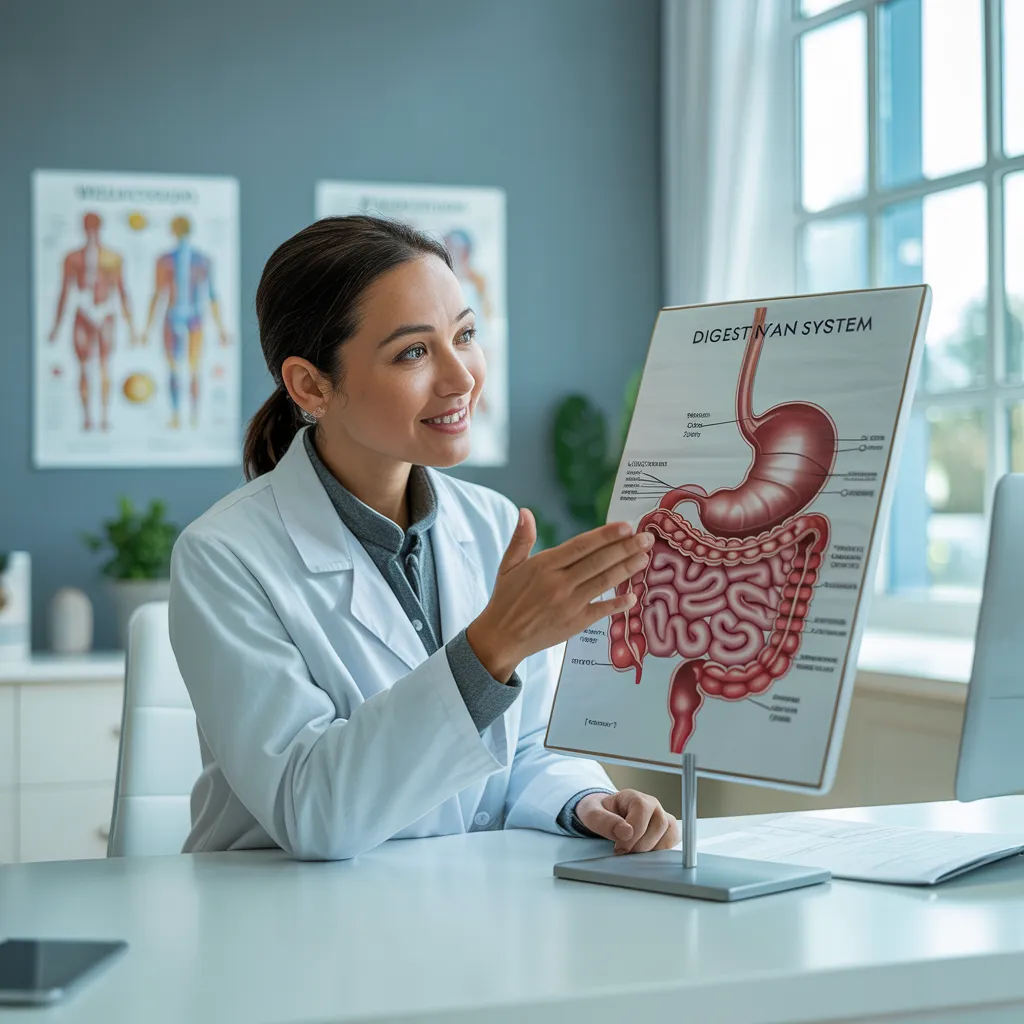
Understanding the Gut-Brain Relationship
While the connection between the gut and brain may look distant, emerging research highlights a profound connection that shapes overall well-being. This intricate association, often known as the gut-brain axis, encompasses intricate biochemical signaling pathways and neural connections. The gut microbiome, containing trillions of microorganisms, plays a essential role in this interaction, affecting neurotransmitter production, inflammation, and immune responses. Additionally, the vagus nerve serves as a key communication pathway, transmitting signals between the gastrointestinal tract and the central nervous system. Imbalances in gut health can lead to changes in this communication, potentially affecting cognitive functions and emotional regulation. Understanding this connection highlights the value of maintaining gut health for overall mental and physical wellness, paving the way for further exploration in therapeutic interventions.
The Impact of Gut Health on Mood and Anxiety
The condition of gut health substantially affects mood and anxiety levels, as emerging studies reveal a direct correlation between the gut microbiome and emotional well-being. Research indicates that a well-balanced and varied gut microbiome can boost the production of neurotransmitters, such as serotonin, which plays a crucial role in regulating mood. Conversely, an imbalance in gut bacteria may cause increased inflammation and altered brain function, resulting in feelings of anxiety and depression. Additionally, the gut-brain axis illustrates how gut health impacts psychological states, with signals from the gut affecting brain chemistry. Thus, preserving a healthy gut can be vital for managing anxiety and improving overall mood, highlighting the importance of gut health in emotional regulation.
Critical Nutrients for Boosting Gut Health
To enhance gut health effectively, individuals should focus on incorporating essential nutrients that promote a balanced microbiome and ideal digestive function. Key nutrients include fiber, which assists with digestion and fosters the growth of beneficial gut bacteria. Omega-3 fatty acids, available in fatty fish and flaxseeds, reduce inflammation and support gut lining integrity. Fermented foods, rich in vitamins and enzymes, increase nutrient absorption and contribute to a diverse microbiome. Additionally, vitamins such as B-complex and vitamin D play crucial roles in maintaining overall gut health. Minerals like zinc and magnesium are essential for enzymatic processes and gut barrier function. By prioritizing these nutrients, individuals can enhance their gut health, which may, in turn, positively influence their mood and anxiety levels.
The Link Between Probiotics and Emotional Health
Probiotics have attracted interest for their potential benefits on emotional wellness, specifically through their impact on digestive health. Scientific findings underscore the gut-brain axis, showing how a harmonious microbiome can alter emotional state and stress levels. Comprehending these associations may open up new avenues for boosting mental health through nutritional interventions.
The Benefits of Probiotics Explained
Regularly dismissed, the correlation between gut health and mental well-being has attracted increasing attention in recent years. Probiotics, the helpful bacteria found in certain foods and supplements, play a essential role in this relationship. Research demonstrates that these microorganisms can favorably impact mood and anxiety levels by adjusting neurotransmitter production, particularly serotonin. By improving gut microbiota balance, probiotics may help decrease symptoms of anxiety and depression. In addition, they boost the gut's barrier function, preventing harmful substances from entering the bloodstream, which could lead to inflammation and mental distress. Regular consumption of probiotic-rich foods, such as yogurt and fermented vegetables, presents a realistic approach to supporting mental health through improved gut function, making probiotics a valuable tool in anxiety management strategies.
Exploring the Gut-Brain Axis
The intricate relationship between digestive health and mental wellness extends beyond the advantages of probiotics. Research highlights the gut-brain axis, a communication pathway connecting the gastrointestinal system and the CNS. This relationship indicates that gut flora can modulate affect-modulating neurotransmitters, such as serotonin and dopamine. Probiotics, which strengthen digestive bacteria, may play a significant role in this process, fostering a balanced microbiome that promotes mental health. Evidence suggests that those with mood disorders often display imbalanced gut microbiota, revealing that achieving balance through probiotic therapy could reduce signs. Consequently, understanding the gut-brain connection is critical for establishing successful approaches to address anxiety and elevate general psychological well-being.
Foods for Better Gut Health
Which foods can genuinely improve gut health and support overall wellness? A broad nutritional approach filled with fiber, fermented options, and healthy fats is necessary. Options such as yogurt, kefir, and sauerkraut deliver valuable probiotics that sustain a well-balanced gut microbiome. Fiber-rich options like whole grains, fruits, and vegetables promote regular digestion and feed healthy gut bacteria. Integrating legumes, nuts, and seeds can equally support fiber consumption, continuously promoting gut health. Moreover, omega-3 fatty acids contained in fatty fish like salmon and walnuts might aid in lowering inflammation within the gut. Overall, a well-rounded diet focusing on these food groups can greatly improve gut health, potentially alleviating anxiety and promoting a positive mood.
Life Changes for Optimal Gut Health
Modifications to daily habits serve a vital function in enhancing digestive wellness, with dietary choices being a significant factor. Incorporating a balanced diet abundant in fiber and probiotics can foster a stronger gut microbiome. In addition, regular exercise has been proven to boost gut functionality and overall well-being.
Dietary Choices Affecting Gut Function
In what ways do dietary choices affect gut health? A diverse array of nutrients allows the gut microbiome to thrive, which makes dietary variety essential. Beneficial bacteria are promoted by high-fiber foods such as fruits, vegetables, and whole grains, while excessive sugar and processed foods can disrupt microbial balance. Fermented foods containing probiotics enhance gut flora and support digestion as well as mental well-being. Furthermore, the anti-inflammatory properties of omega-3 fatty acids, found in fatty fish and flaxseeds, may alleviate gut-related anxiety symptoms. Conversely, artificial sweeteners and high-fat diets can negatively impact gut health, potentially exacerbating mood disorders. Consequently, informed dietary choices can significantly contribute to maintaining gut health, which ultimately influences emotional health and reduces anxiety levels.
The Value Of Regular Exercise
Physical exercise plays an important role in fostering gut health, supplementing the favorable outcomes of a nutritious eating plan. Physical activity increases the assortment and prevalence of advantageous gut bacteria, which can enhance digestion and reduce inflammation. Moreover, regular exercise aids in controlling the body's stress response, contributing to lower anxiety levels. As stress commonly influences gut health adversely, committing to consistent physical activity can assist in reducing these effects. Research has shown that individuals who exercise regularly often exhibit better mood and mental wellness. Moreover, exercise stimulates the production of endorphins, which further supports mental health. Thus, incorporating regular physical activity into one's routine is vital for maintaining not only gut health but also general emotional resilience.
Simple Methods to Handle Anxiety by Taking Care of Your Gut
Although numerous individuals look for different approaches to reduce anxiety, the connection between gut health and mental well-being frequently remains unnoticed. Straightforward eating modifications can significantly affect gut health and, therefore, anxiety levels. Including probiotics, present in yogurt and fermented foods, can boost gut flora, encouraging a healthier gut-brain axis. Moreover, consuming fiber-rich foods like fruits, vegetables, and whole grains facilitates digestion and nutrient absorption. Keeping hydrated is equally important, as water assists with metabolic processes. Regular meals and mindful eating can balance blood sugar levels, reducing anxiety spikes. Finally, controlling stress through techniques including meditation or yoga complements these dietary efforts, creating a holistic approach to gut health and anxiety management. These strategies together promote enhanced mental clarity and emotional resilience.
FAQ
Is Gut Health Directly Impacted by Stress?
Indeed, stress can have a direct effect on gut health. It can disrupt the balance of gut microbiota, leading to digestive issues. Prolonged detailed information stress can exacerbate conditions like irritable bowel syndrome, emphasizing the sophisticated connection between mental and physical wellness.
What Is the Timeframe for Gut Health Improvements?
Improvements in gut health can generally be seen within a few weeks to months, depending on personal factors, dietary changes, and lifestyle changes. Consistency in wellness routines plays an essential role in reaching visible results.
Should You Avoid Certain Foods for Gut Health?
Certain foods can adversely affect gut health, including sugar-based processed foods, artificial sweeteners, and high-fat foods. In addition, excessive alcohol and gluten-containing products may disrupt the gut microbiome, causing digestive issues and inflammation.
Can Prescription Drugs Influence Gut Health and Anxiety Levels?
Medications can influence gut wellness and anxious feelings. Certain antibiotics interfere with digestive flora, potentially intensifying anxiety symptoms, while some antidepressant medications can enhance digestive wellness, emphasizing the intricate relationship between pharmacological treatments and intestinal wellness.
Is There a Link Between Gut Health and Sleep Quality?
Studies indicate a strong connection between gut health and sleep quality, with irregularities in gut microbiota potentially causing sleep disturbances. A balanced gut can foster better sleep patterns, enhancing overall wellness and mental health.